One of the best things about KidPoints is that it grows with your family. What works for a 4-year-old won’t work for a 12-year-old, and that’s exactly the point.
Start Simple
For younger kids, keep expectations basic: brush teeth, pick up toys, say please. Set low point costs so they experience quick wins. A sticker on a chart feels great, but earning 10 points for a special before bed story with costumes is even better.
Raise the Bar
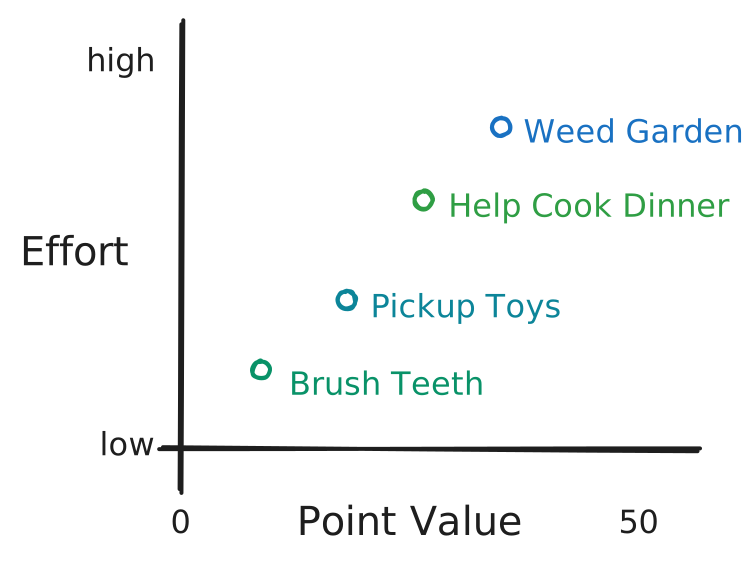
As kids get older, introduce expectations that match their stage: homework completion, helping with dinner, practicing an instrument. Bump up point values to reflect the effort involved. Award low points to build habits (brush teeth, pickup toys) and high points for going the extra mile (help cook dinner, weed the garden).
Remember to call out and award good behavior when you see it, especially if there is no set expectation. Seeing your child fill a need or act selflessly is one of the great rewards we as parents get.
Evolve the Rewards
At this point, you can introduce saving and longer term rewards to teach your child about trade-offs and delayed gratification. Whether it is desserts, screen time, or special activities, keep evolving and tailoring the rewards keep them attainable, motivating, and somewhat challenging.
Even into the teenage years, KidPoints can be used to transition kids into earning real money and used for real responsibilities. Instead of simply paying your teen’s expenses, 100 points could be worth 10 gallons of gas for the car, giving them freedom without a sense of entitlement.
The Key Insight
The system stays motivating because you control it. When something stops working, change it. KidPoints is a tool, not a rule book, shape it to fit your family and your child’s needs right now, not the other way around.